Pasta recipes
Pasta is the backbone of fast weeknight cooking: a pot of water, a quick sauce and dinner is on the table. This page covers tomato sauces, creamy dishes, pesto, garlic and oil, baked-style skillets, pasta salads and one-pot recipes. Each recipe takes 20 minutes or less, including the wait for water to boil.
19 recipes, quickest first.
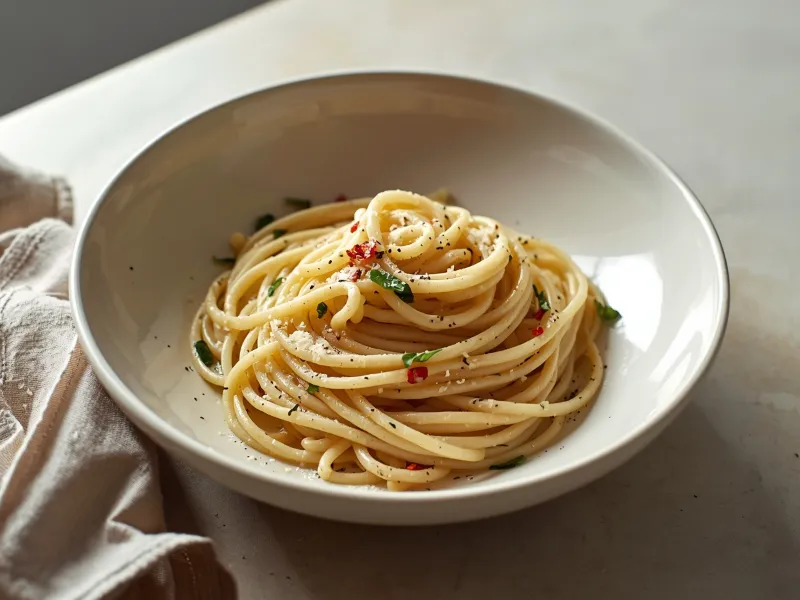 15 min
Garlic butter noodles
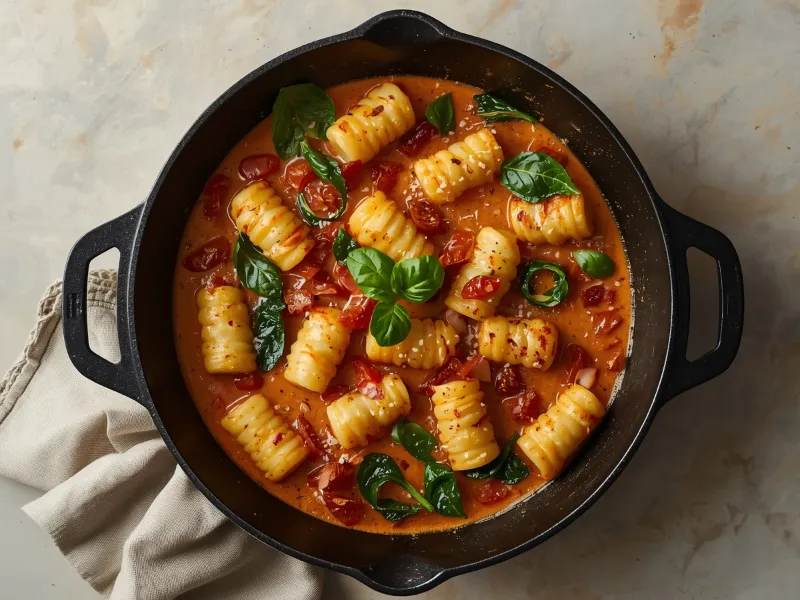 16 min
Creamy Tuscan gnocchi
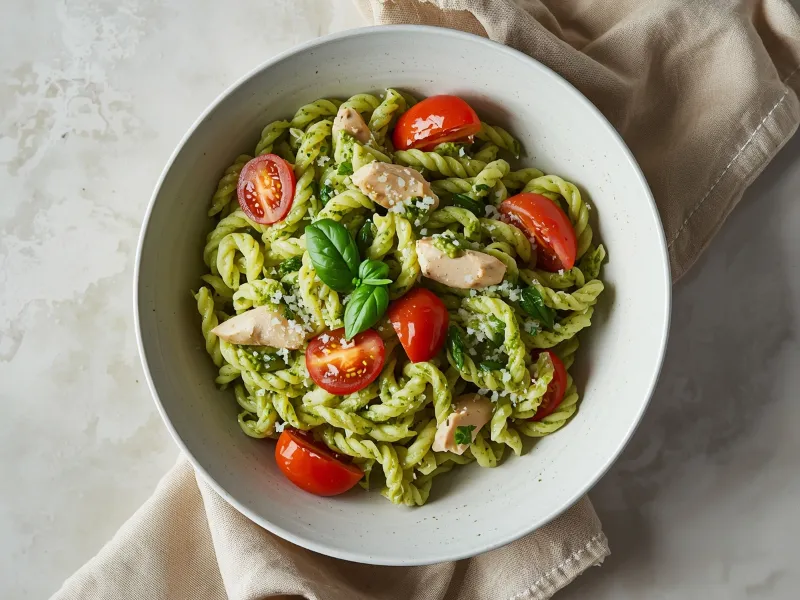 17 min
Pesto pasta with cherry tomatoes
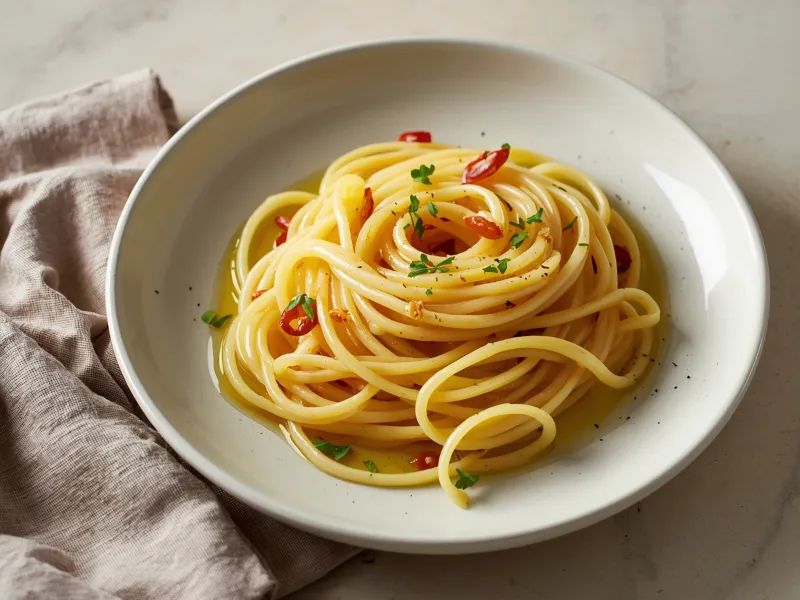 17 min
Spaghetti aglio e olio
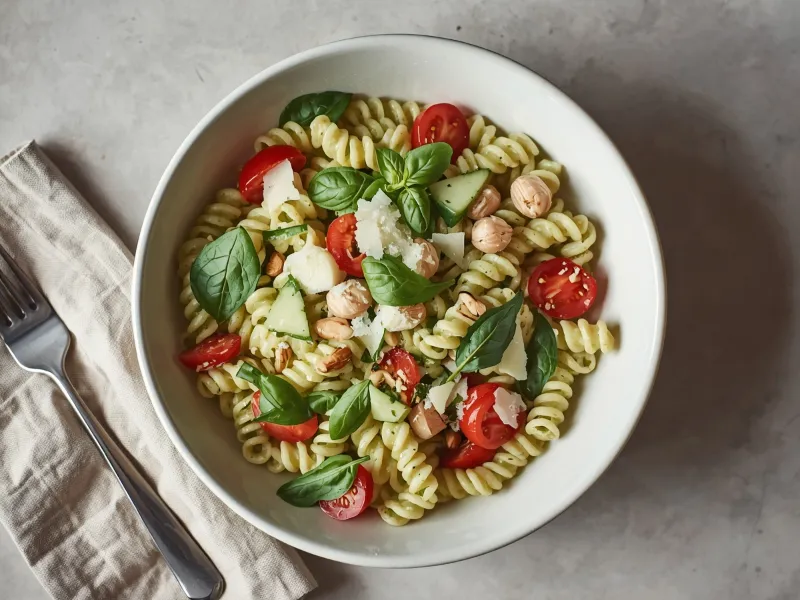 18 min
Chicken pesto pasta salad
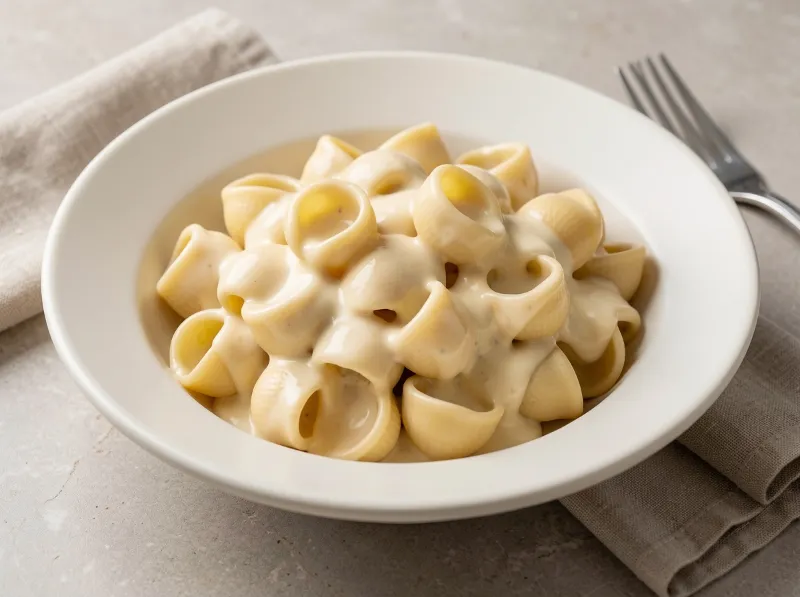 18 minCopycat
Copycat Panera mac and cheese
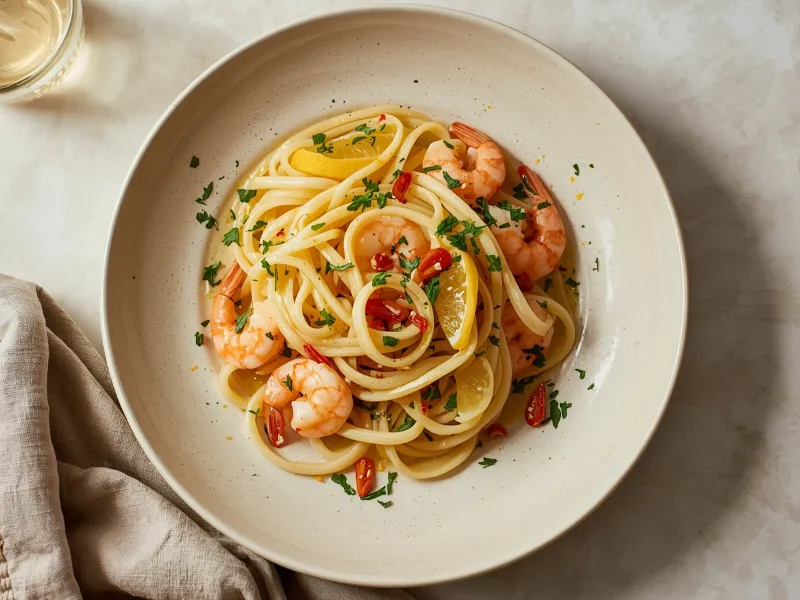 18 min
Lemon garlic shrimp linguine
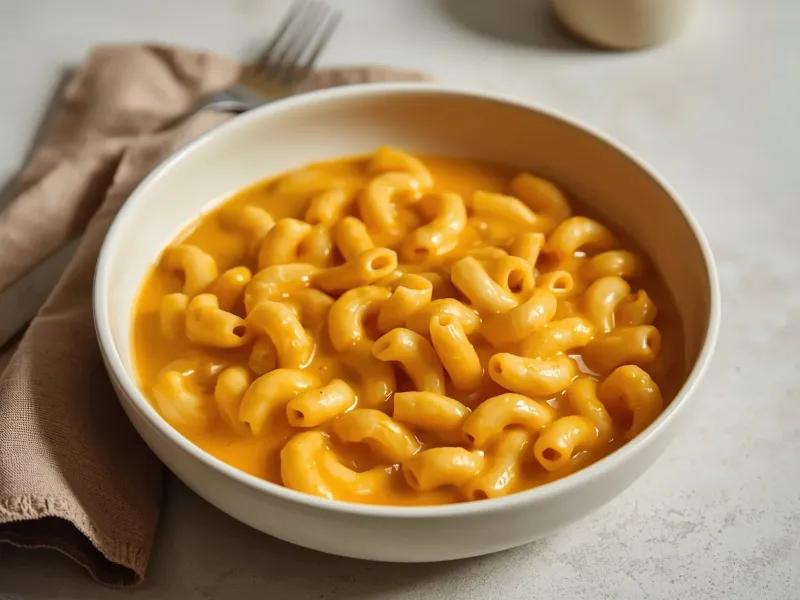 18 min
Stovetop mac and cheese
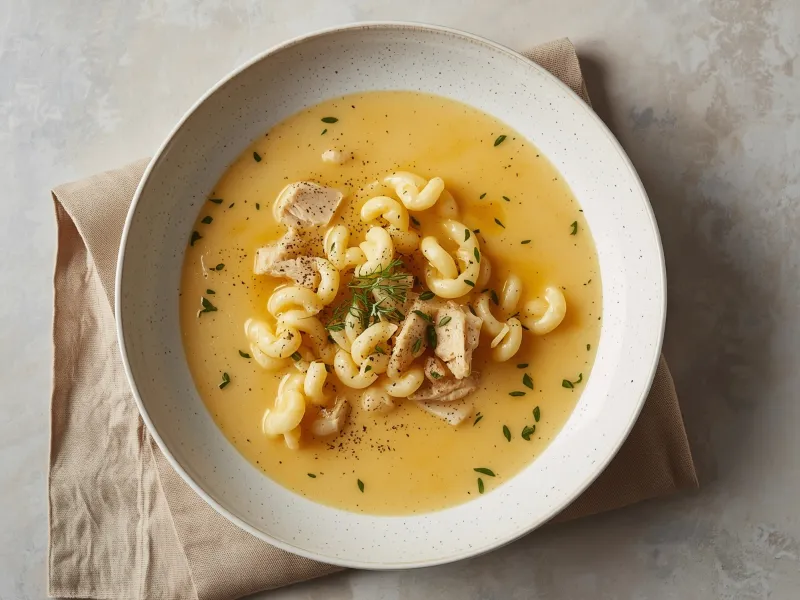 19 min
Avgolemono soup with orzo
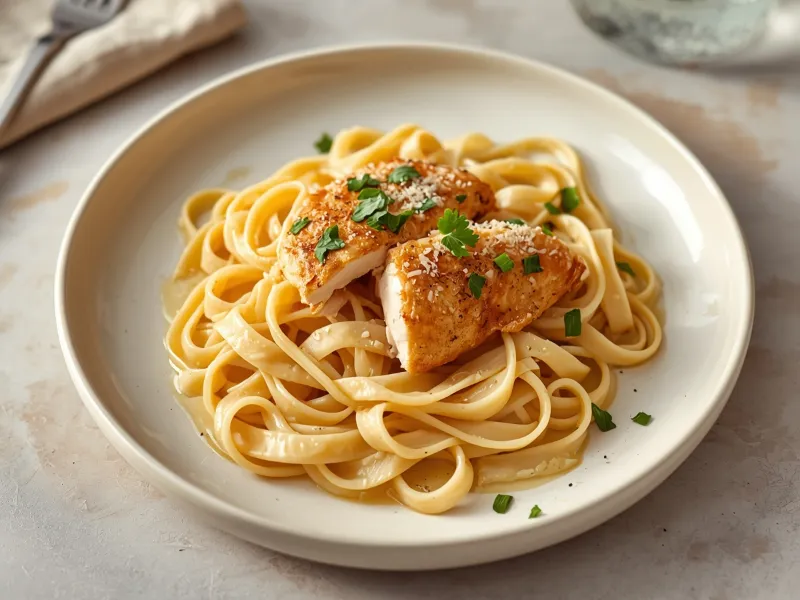 19 minCopycat
Copycat Olive Garden chicken Alfredo
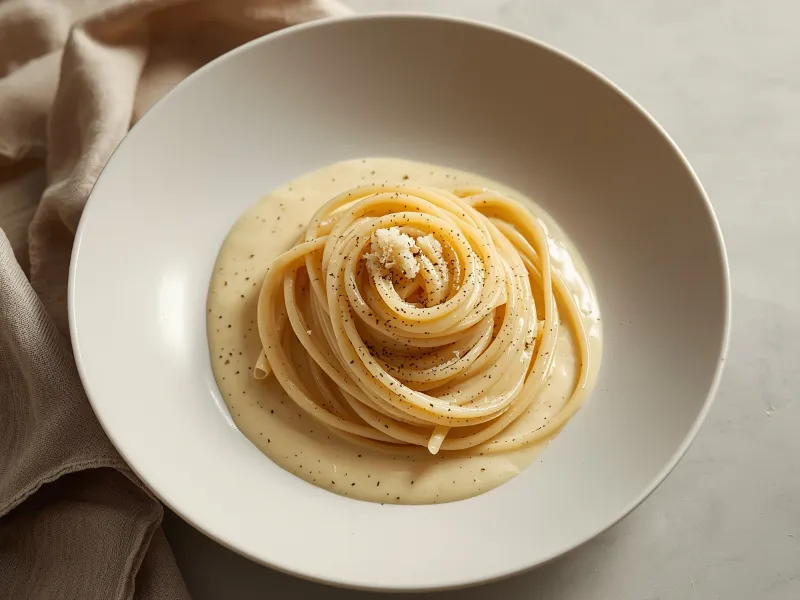 20 min
Cacio e pepe
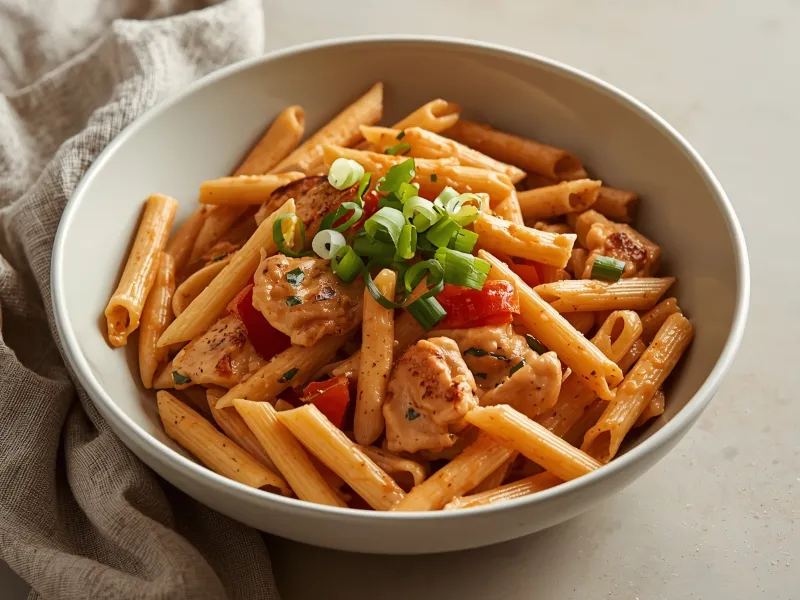 20 min
Cajun chicken pasta
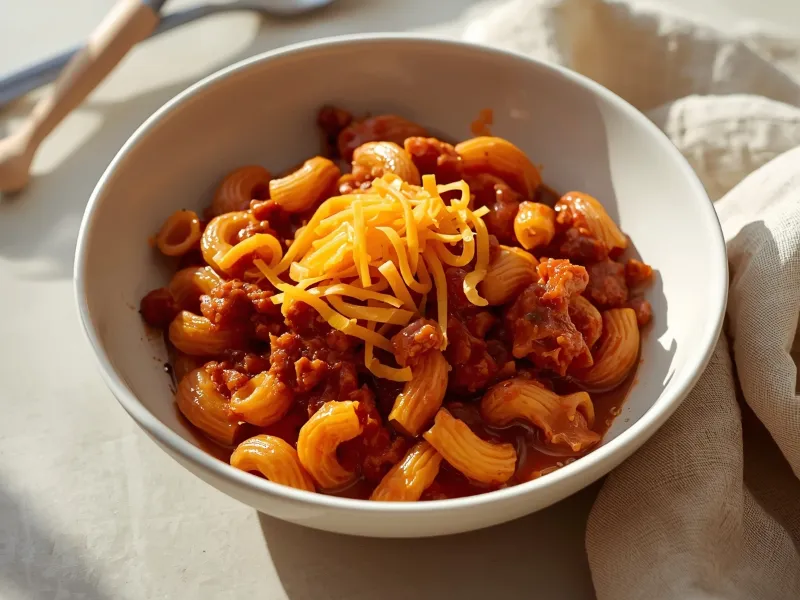 20 min
Camp stove chili mac
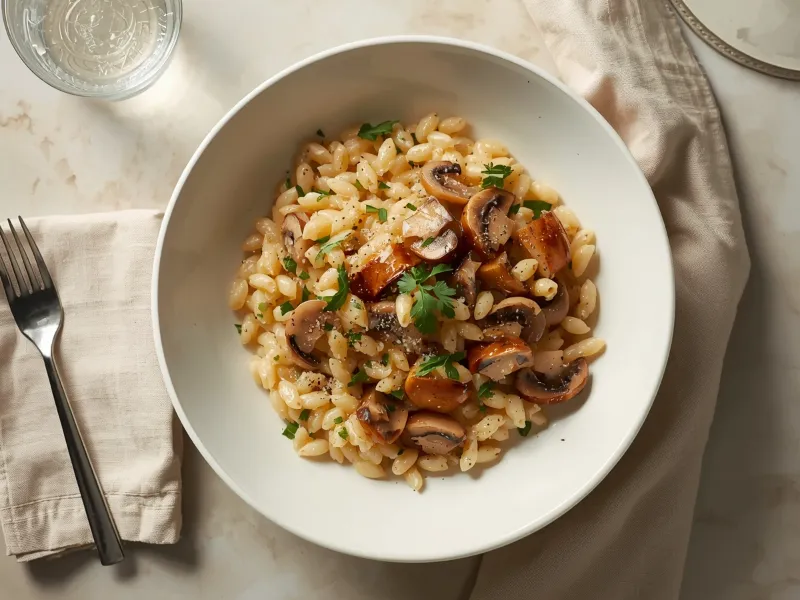 20 min
Creamy mushroom orzotto
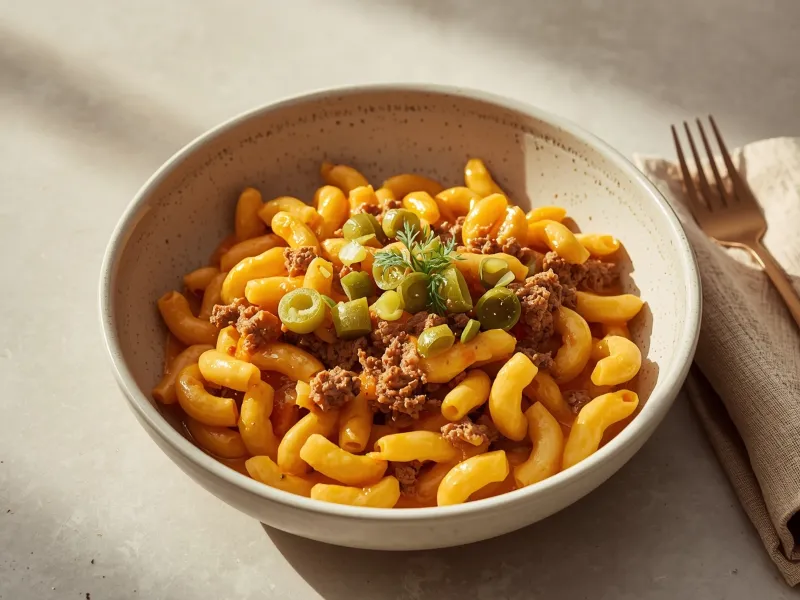 20 min
One-pot cheeseburger macaroni
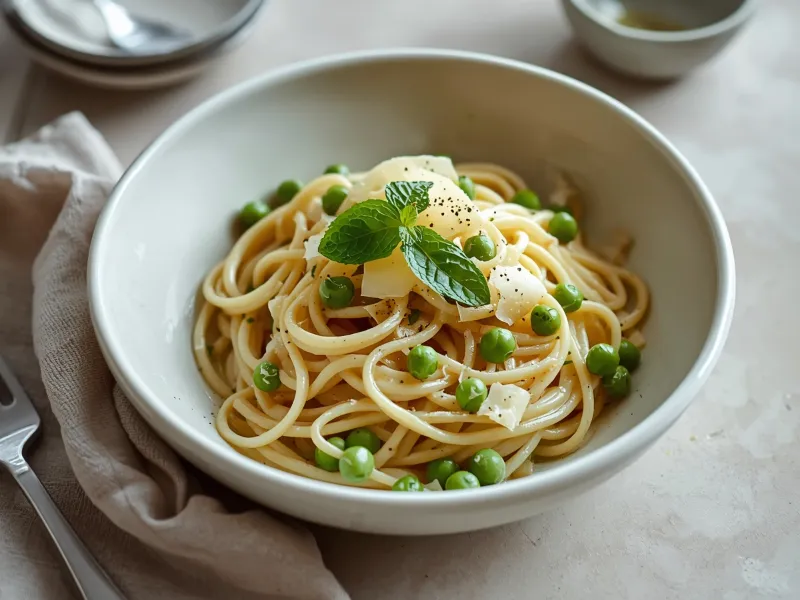 20 min
Pea, lemon and ricotta pasta
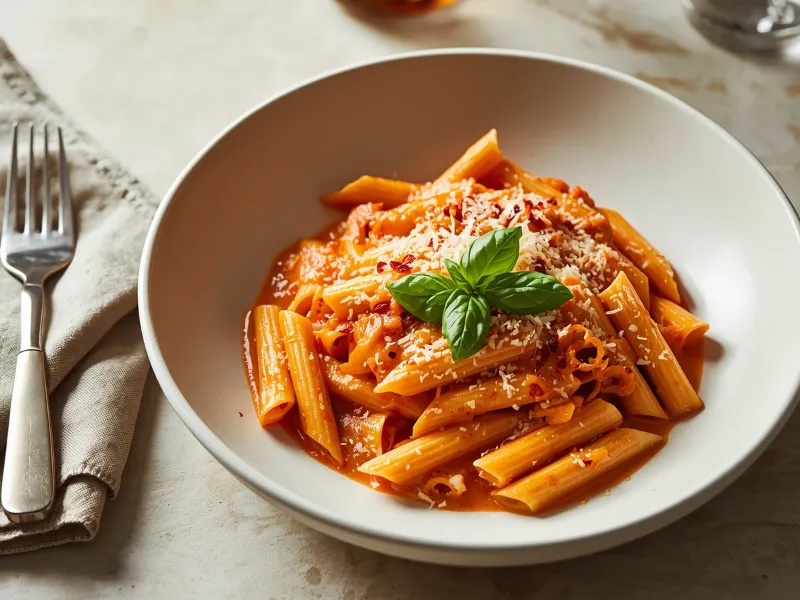 20 min
Penne alla vodka
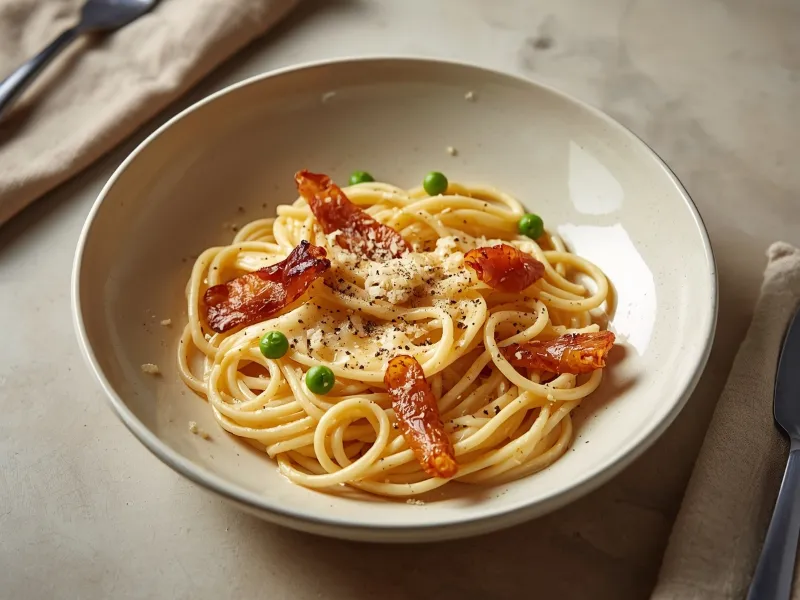 20 min
Spaghetti carbonara
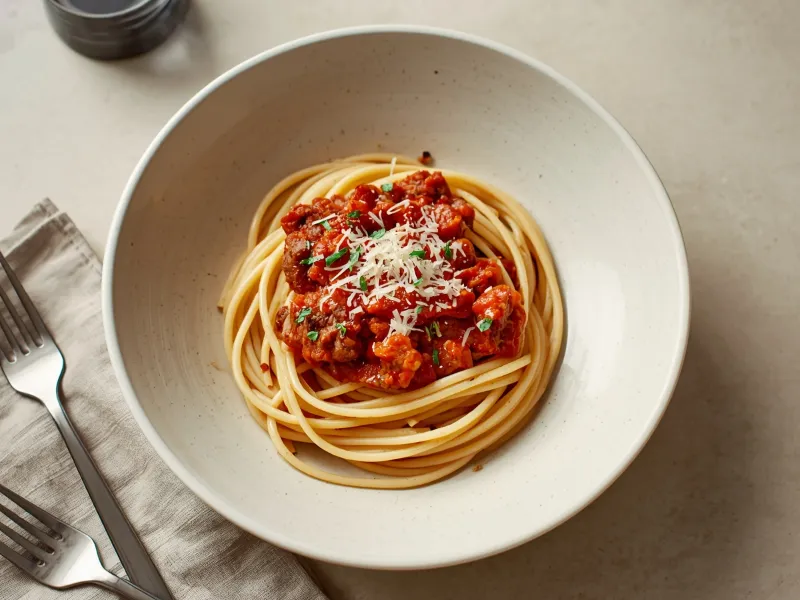 20 min
Spaghetti with meat sauce
Most recipes use dried pasta from the pantry, and many let you swap shapes freely. The tips explain which shapes suit which sauces, and how to use gluten-free or whole wheat pasta instead. A few smart habits, like salting the water and saving a little cooking water, make a big difference to the final dish.
Common questions
How much salt should I add to pasta water?
A common guideline is about 1 tablespoon of kosher salt for every 4 quarts of water, or about 1 1/2 teaspoons of table salt. The water should taste pleasantly seasoned, not like the sea. Salting the water seasons the pasta itself, which a sauce alone can't do. Add salt once the water boils.
How do I keep pasta from sticking together?
Use plenty of water, add the pasta once it is at a rolling boil, and stir during the first minute or two, which is when sticking happens. Adding oil to the water doesn't help and can stop sauce from clinging. Toss drained pasta with sauce immediately rather than letting it sit in the colander.
Which pasta shape goes with which sauce?
Long, thin shapes like spaghetti and linguine suit oil-based, light tomato and seafood sauces. Flat, wide noodles like fettuccine handle creamy sauces. Tubes and twists, such as penne, rigatoni and fusilli, trap chunky vegetable and meat sauces. Small shapes like orzo and ditalini are best in soups and salads.
Can I use gluten-free pasta in any recipe?
Usually, yes. Gluten-free pasta made from rice, corn, chickpeas or lentils can replace wheat pasta in most dishes, though it can turn soft or break if overcooked. Start checking a minute or two early, stir gently and rinse only if the package recommends it. Its cooking water is less starchy.