Fish and seafood recipes
Fish and seafood are some of the fastest things you can cook, which makes them perfect for weeknights. This page covers salmon, cod, tilapia, tuna, mussels, scallops, crab and more, in tacos, bowls, pastas, curries and simple pan-seared dinners. Every recipe takes 20 minutes or less.
15 recipes, quickest first.
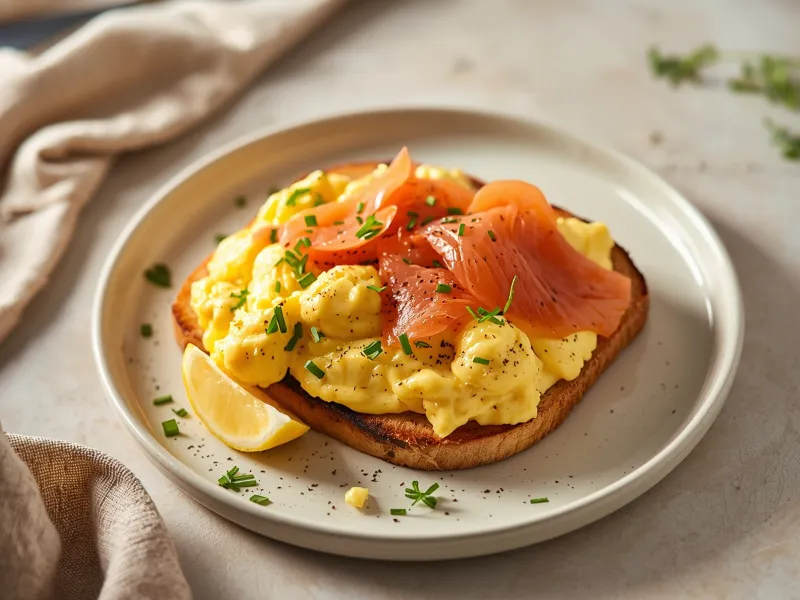 8 min
8 minSmoked salmon scrambled eggs
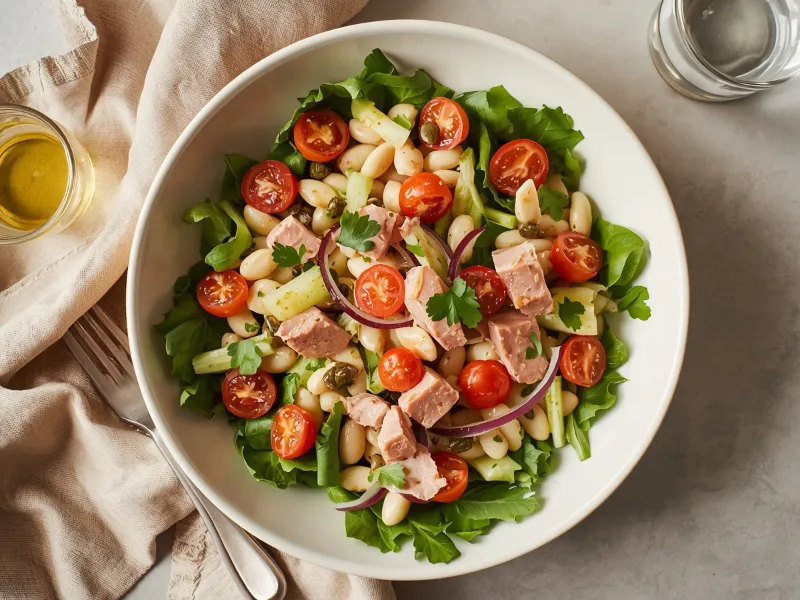 10 min
Tuna and white bean salad
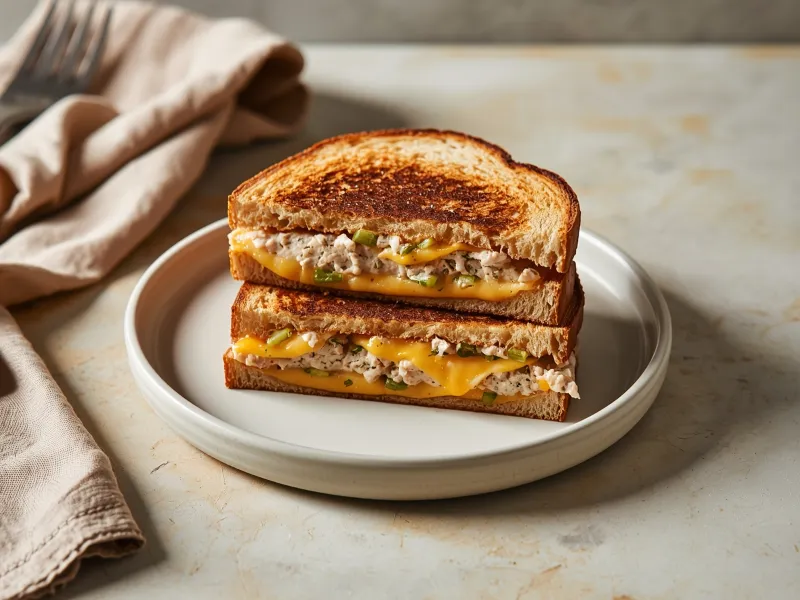 14 min
Classic tuna melt
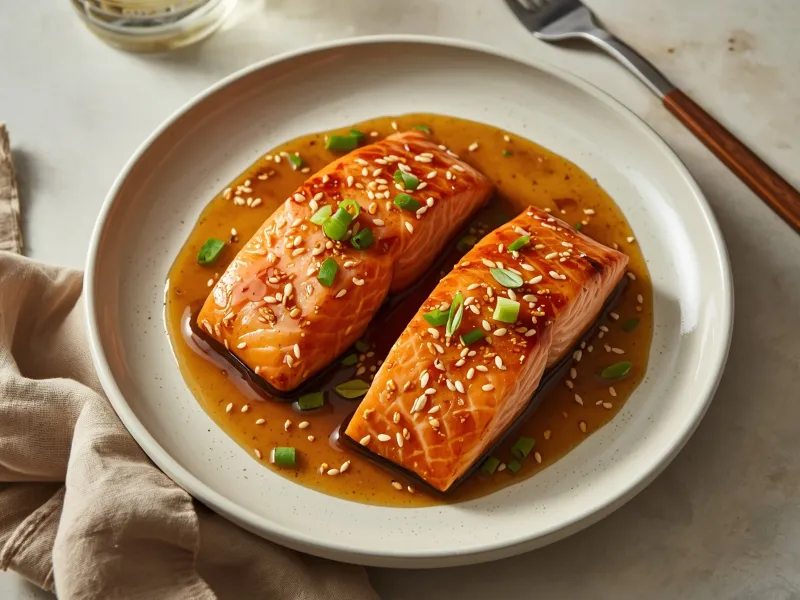 15 min
Honey garlic salmon
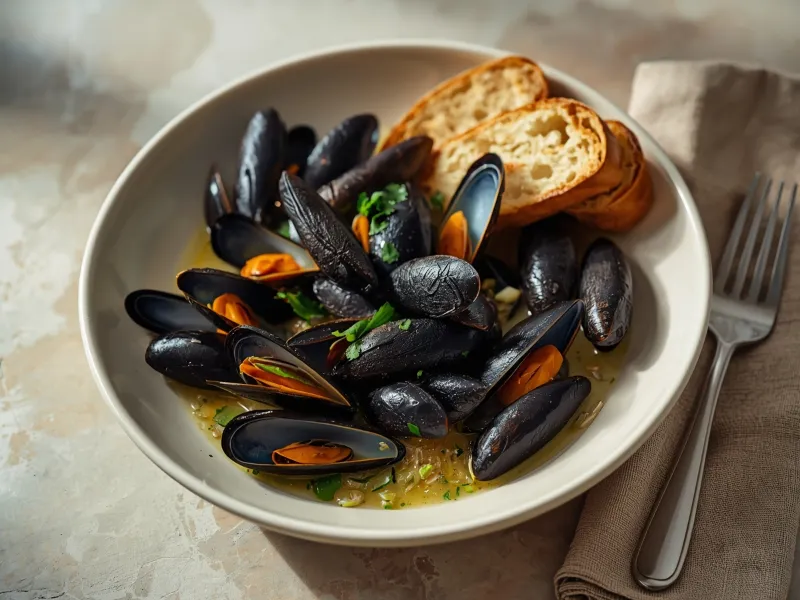 15 min
Moules marinières
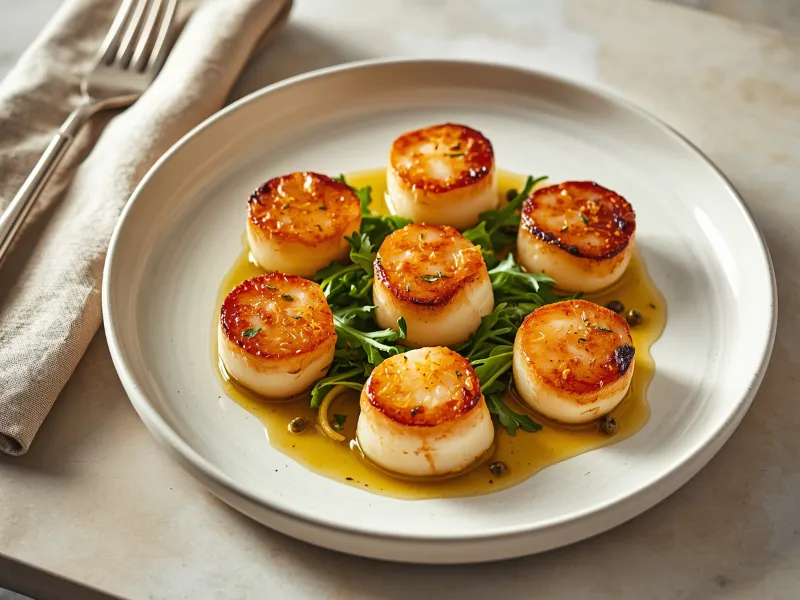 15 min
Seared scallops with lemon-butter caper sauce
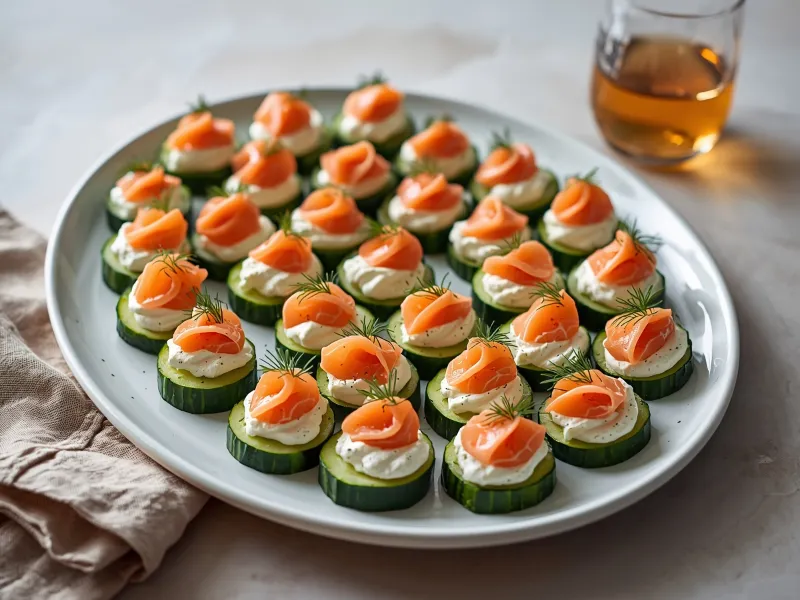 15 min
Smoked salmon cucumber bites
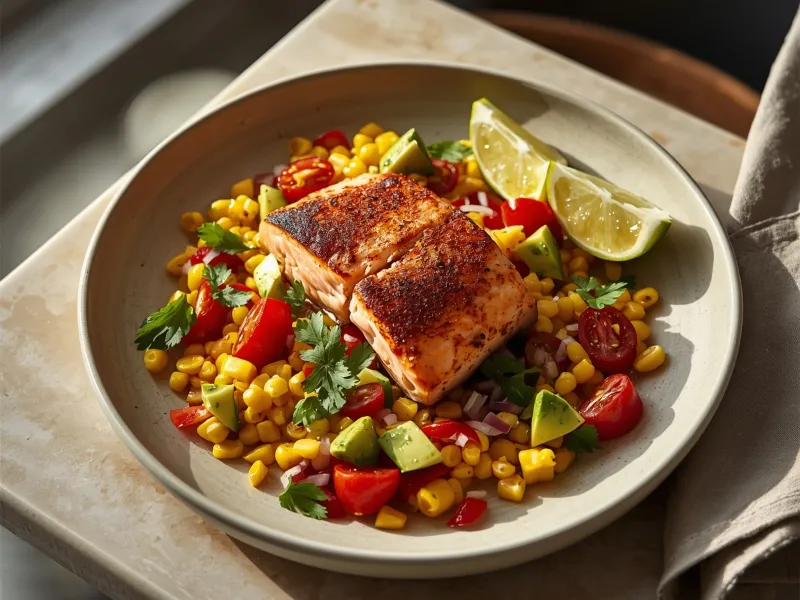 16 min
Cajun salmon with corn salsa
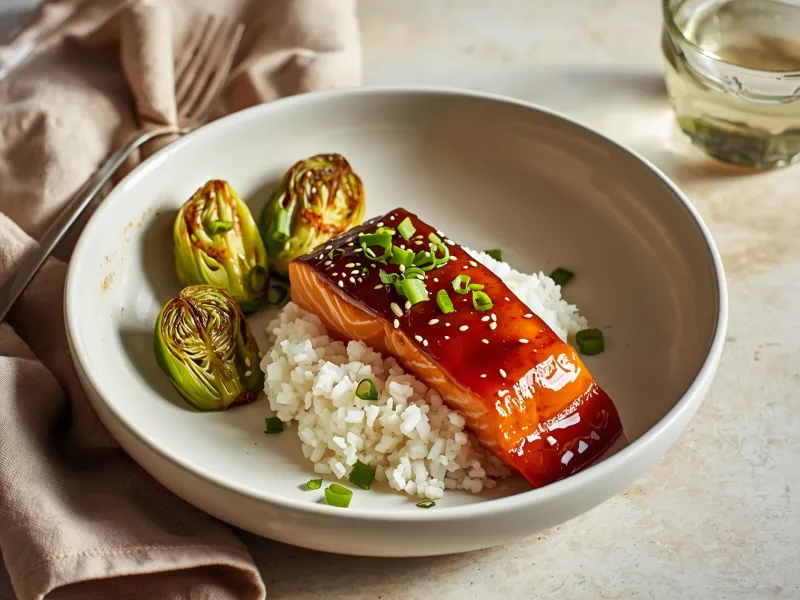 17 min
Miso butter salmon
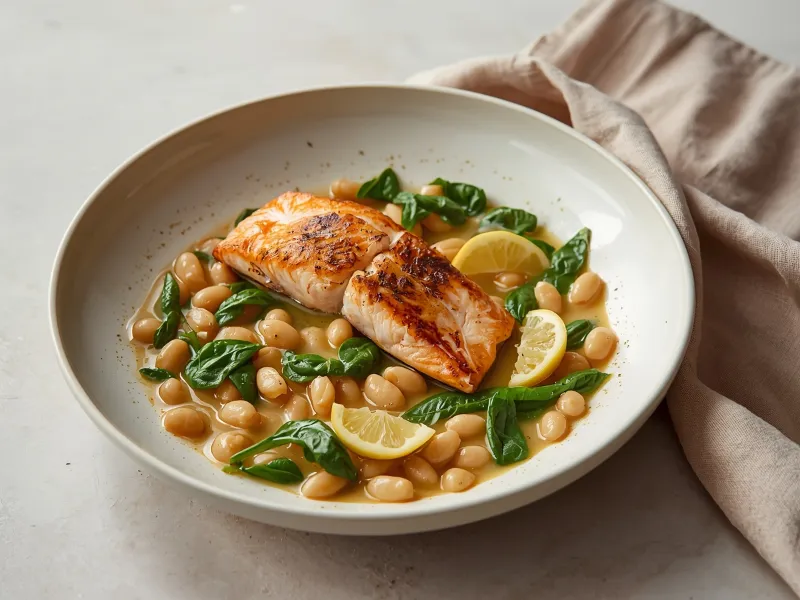 17 min
Salmon with lemon butter beans
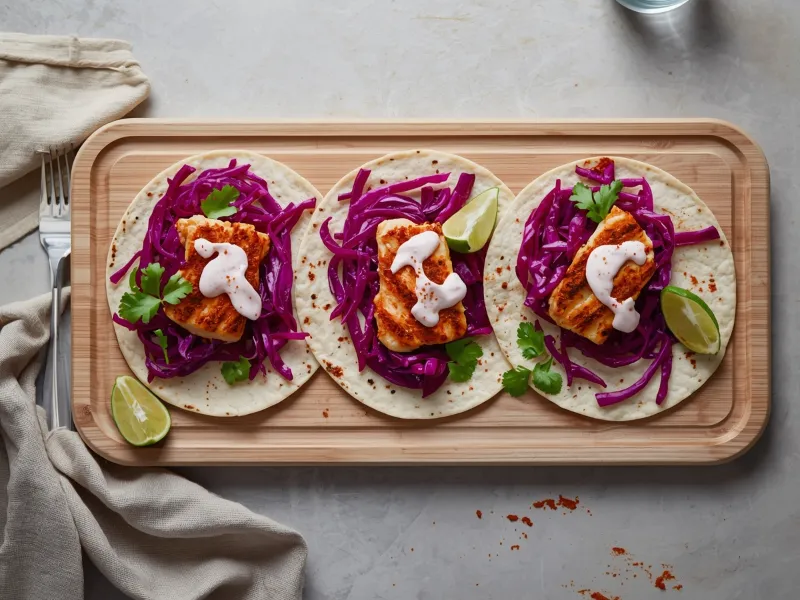 18 min
Fish tacos with lime slaw
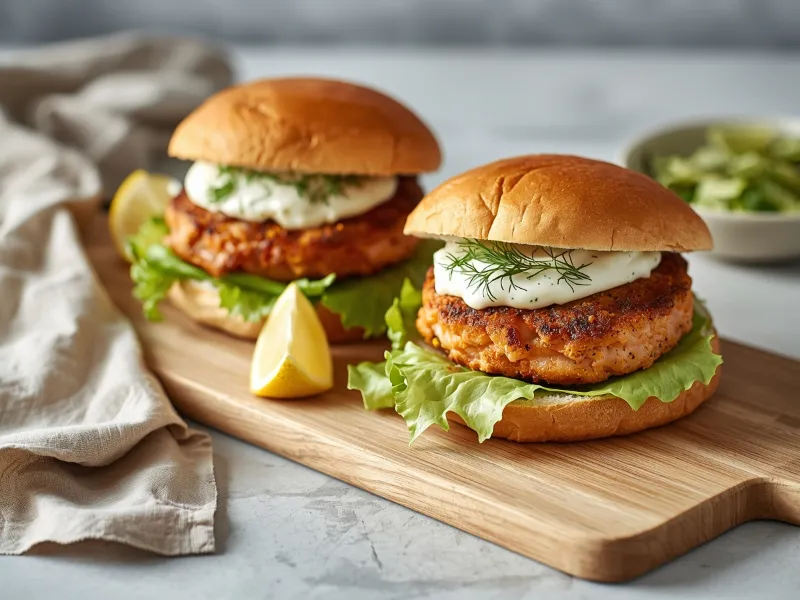 18 min
Salmon burgers with lemon-dill mayo
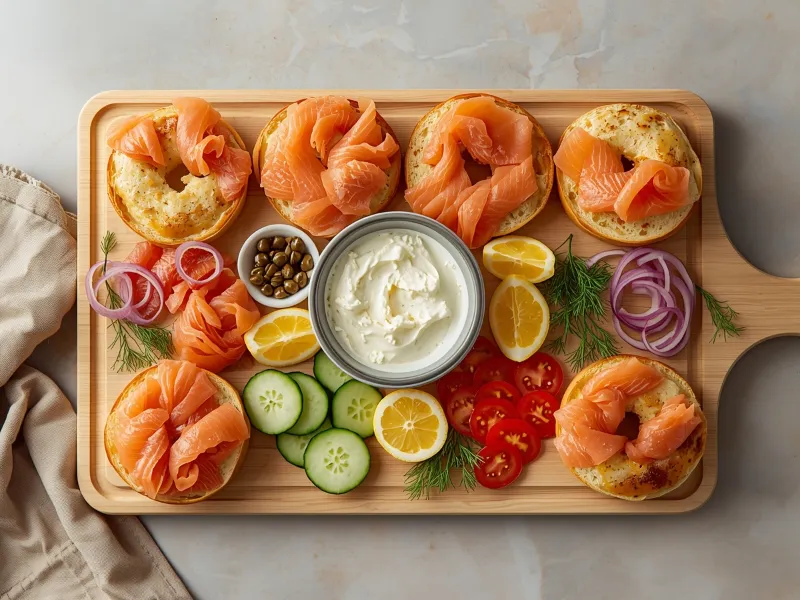 18 min
Smoked salmon bagel board
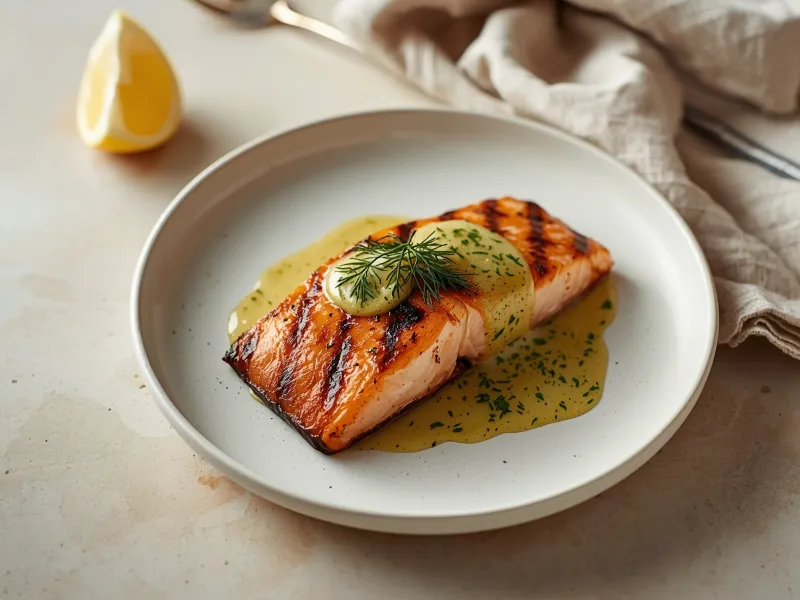 19 min
Grilled lemon dill salmon
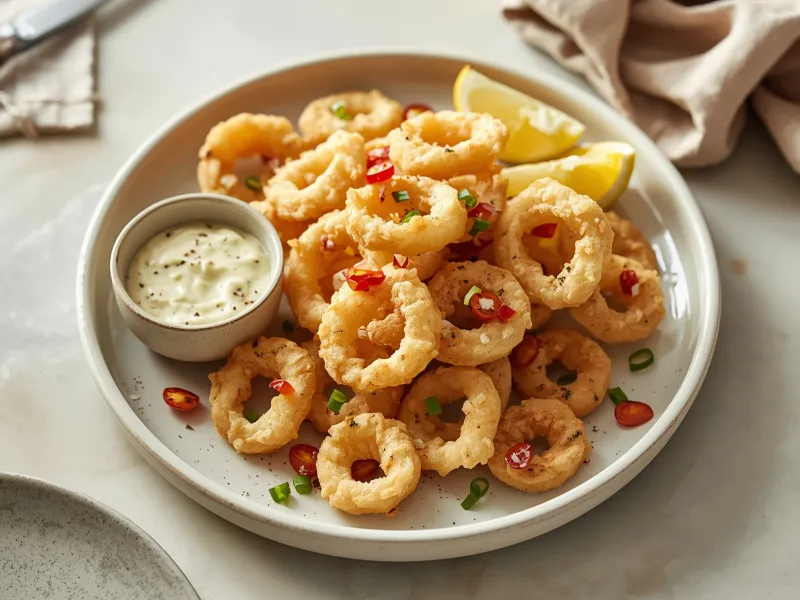 19 min
Salt and pepper calamari
Frozen fillets are a great option; many are frozen right after catching and thaw quickly in cold water. Use the tips to swap one fish for another, since a firm white fish like cod can usually stand in for halibut or haddock. If you are new to cooking fish, start with salmon, which is forgiving and easy to judge.
Common questions
What temperature should fish be cooked to?
The USDA recommends cooking fish to an internal temperature of 145F, when the flesh is opaque and separates easily with a fork. Some people prefer salmon slightly lower for a moister texture, but 145F is the official safe minimum. Thin fillets cook in just a few minutes, so check early.
How do I stop fish from sticking to the pan?
Pat the fish dry, heat the pan well before adding oil, and lay the fillet in skin-side or presentation-side down. Don't move it until it releases naturally, usually after two to four minutes, once a crust forms. A well-seasoned cast-iron or nonstick pan makes this easier, especially for delicate white fish.
Can I cook fish from frozen?
Yes, many fillets can be cooked from frozen, especially when baked, poached or steamed, though they take longer and won't sear as well. For pan-searing, it is better to thaw first: seal fillets in a bag and submerge them in cold water for about 15 to 30 minutes, then pat dry.
What is a good mild fish for people who don't like fishy taste?
Cod, tilapia, haddock, halibut and mahi-mahi are mild, flaky white fish that taste less fishy than oily fish like mackerel or sardines. Freshness matters most, so fresh fish should smell clean, not strongly fishy. A squeeze of lemon, herbs and a crispy coating also help win over skeptics.