Korean recipes
Korean food is bold, bright and very satisfying, with layers of savory, sweet, spicy and fermented flavors. This page covers quick dishes like bibimbap-style bowls, bulgogi, kimchi fried rice, japchae shortcuts, savory pancakes and spicy noodles. Every recipe here is done in 20 minutes or less.
10 recipes, quickest first.
 8 min
8 minDalgona coffee
 13 min
Korean corn cheese
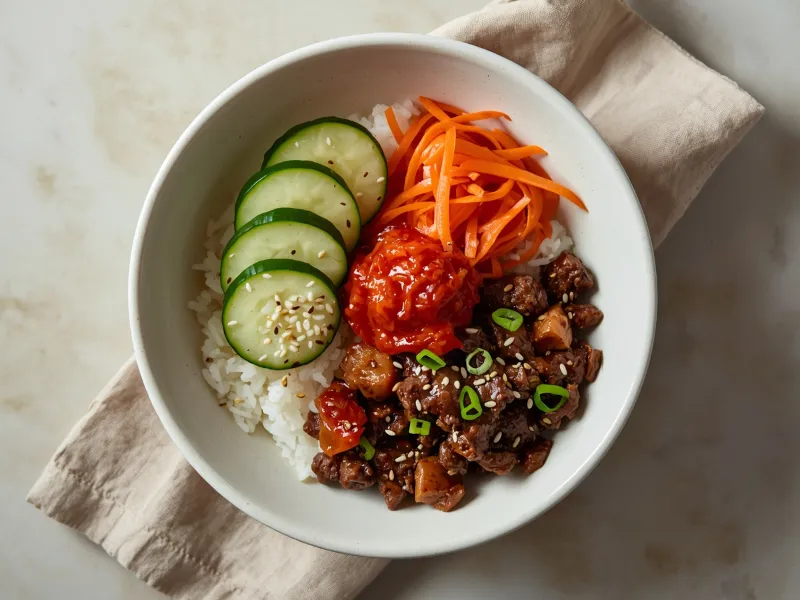 14 min
Korean beef bulgogi bowls
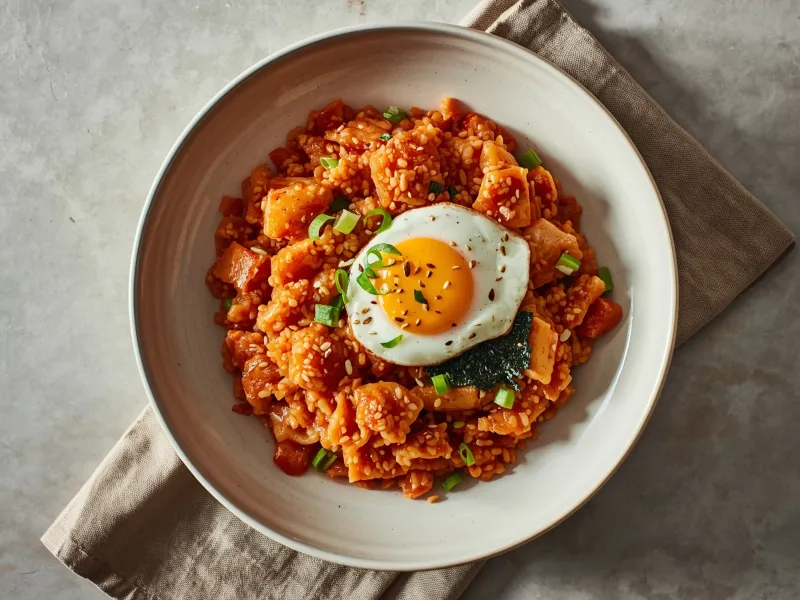 15 min
Kimchi fried rice with a fried egg
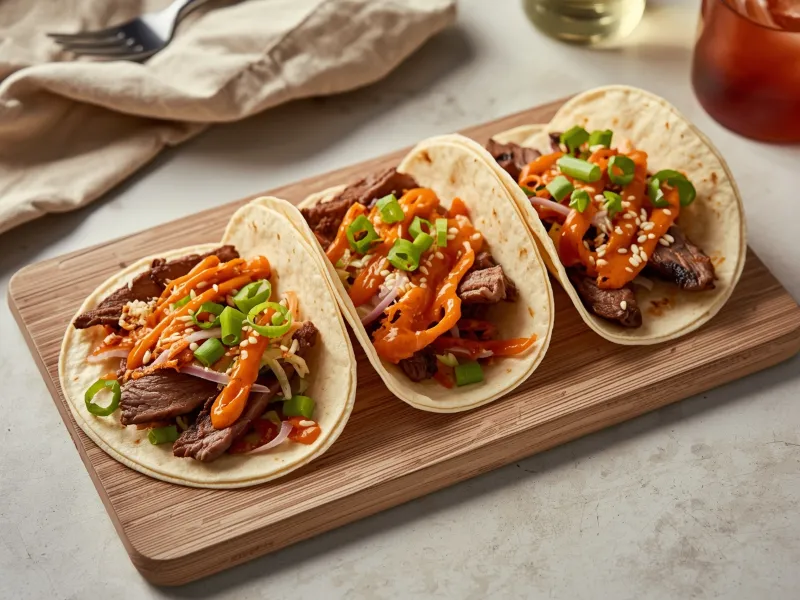 16 min
Korean bulgogi tacos
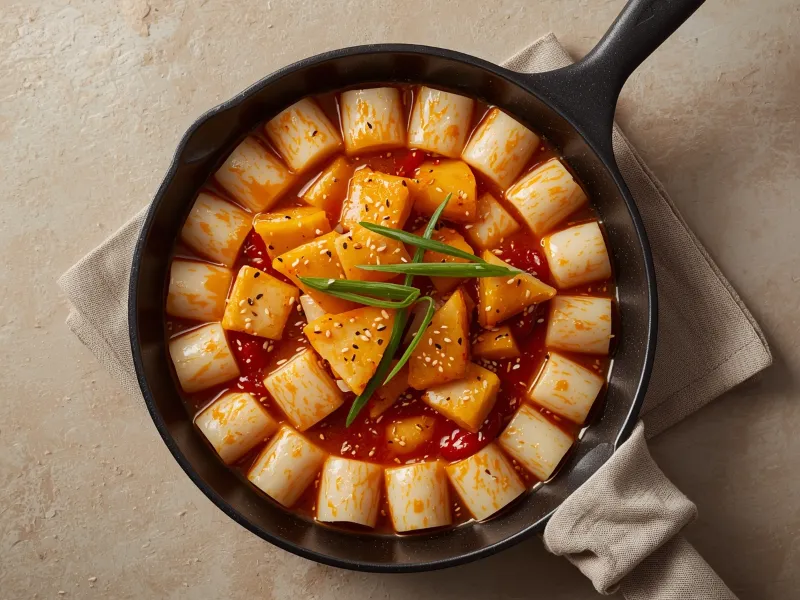 18 min
Tteokbokki
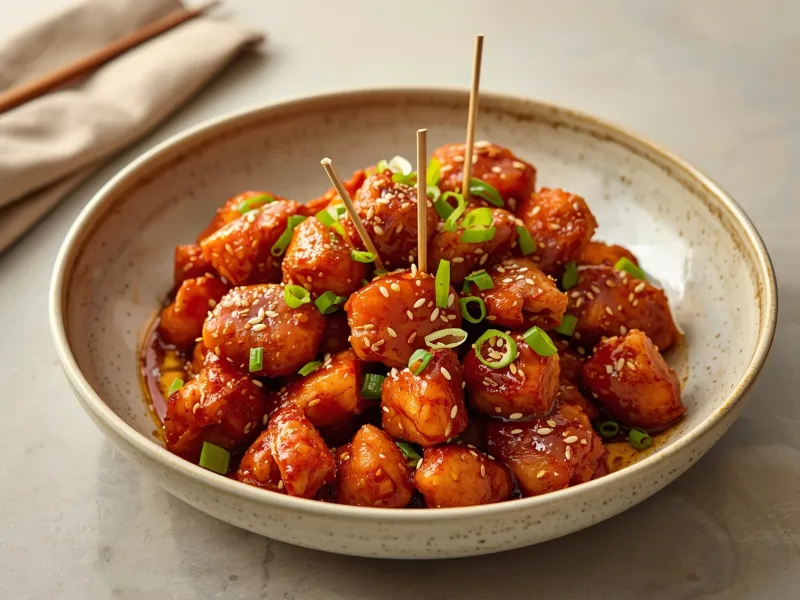 19 min
Gochujang chicken bites
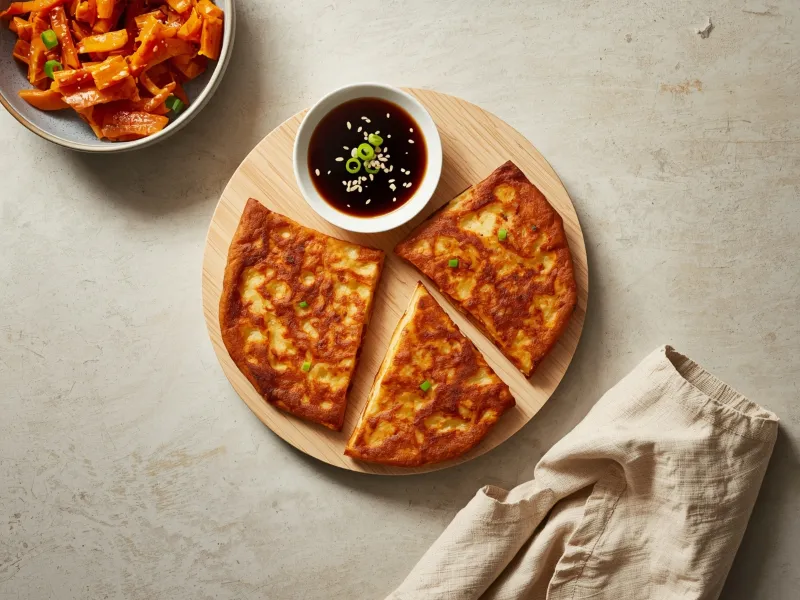 19 min
Kimchi pancakes
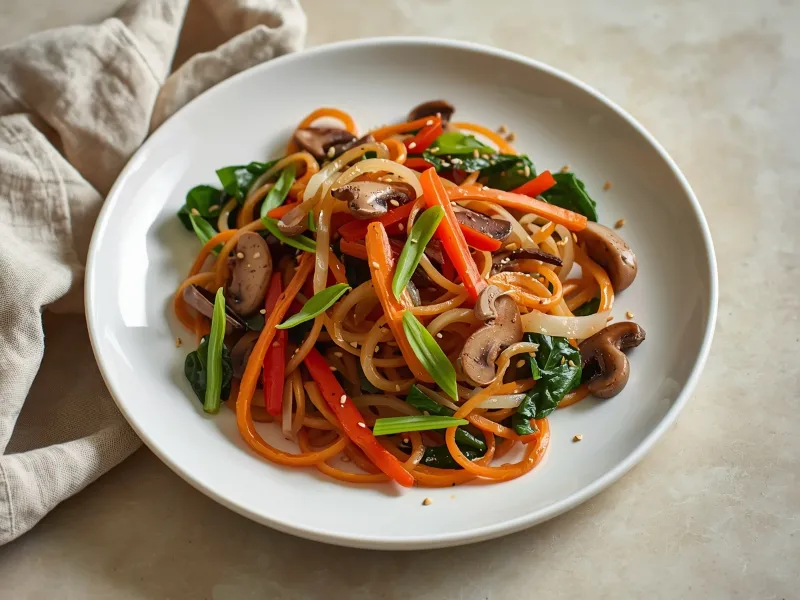 20 min
Japchae
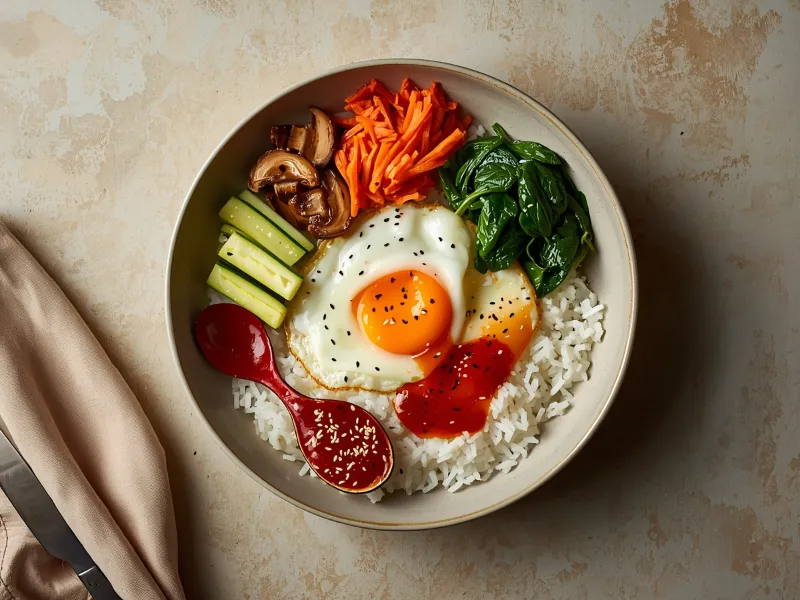 20 min
Quick bibimbap
Key ingredients include gochujang (chili paste), gochugaru (chili flakes), soy sauce, toasted sesame oil, garlic and a jar of kimchi, all easy to find at larger US grocery stores or Asian markets. Use the recipe tips to adjust the heat, and keep extra rice and a fried egg on hand, since they pair with almost everything.
Common questions
What is gochujang and how do I use it?
Gochujang is a thick, fermented Korean chili paste made from chiles, rice and soybeans. It is spicy, sweet and savory all at once. Stir it into sauces for stir-fries, marinades, noodle dishes and rice bowls, or thin it with sesame oil, vinegar and a little sugar for a dipping sauce. Most brands contain wheat.
How do I make kimchi fried rice?
Chop well-fermented kimchi and fry it in a hot pan with a little oil or butter until it caramelizes slightly. Add cold cooked rice, a splash of kimchi juice and a spoonful of gochujang, then toss until heated through and lightly crisp. Top with a fried egg, scallions and sesame seeds.
Is Korean food very spicy?
Not always. Many dishes, like bulgogi, japchae, gyeran-jjim (steamed egg) and many soups, are mild. Others, like tteokbokki and spicy pork, can be hot. When cooking at home, you control the heat: use less gochujang or gochugaru and add a little sugar or honey to balance the flavor.